Skip to content

Cookies 🍪

This site uses cookies that need consent.

How Permitting Reform can Unlock Affordable Clean Energy

From Business Leaders

By improving transmission planning and optimizing the grid we have today, the U.S. can quickly and affordably unlock new capacity and support the buildout of next-generation manufacturing and other critical industries.

John Pappas
Government Affairs Director, Energy and Infrastructure Policy, Siemens
John Pappas headshot

The next generation of American innovation depends on bringing our power infrastructure out of the 1960s and into the 21st century.

Vikrum Aiyer
Head of Global Energy and Climate Policy and External Affairs, Heirloom
Vikrum Aiyer headshot

Aging power infrastructure and higher energy prices can significantly impact our ability to remain competitive. We're asking policymakers to help modernize the system with clean, affordable power and keep energy affordable for everyone.

Mandi McKay
Chief Sustainability and Social Impact Officer, Sierra Nevada Brewing Co.
Mandi McKay headshot

FAQ

What is permitting reform?

Before a new energy project or transmission line can be built, it must clear a series of government reviews. Permitting reform streamlines those reviews so urgently needed clean energy projects move forward faster and with fewer surprises.

How would permitting reform lower energy costs?

Clearer, more predictable permitting encourages private investment and gets lower-cost clean energy projects built faster, helping meet demand and bring prices down. Better transmission planning and siting would also speed up grid upgrades, improving reliability and affordability.

Why do businesses support permitting and grid reform?

Businesses need reliable, affordable power, and today’s delays and uncertainty discourage the investment required to supply it. Predictable rules and review processes let companies plan and invest, which keeps costs down and the economy competitive.

LEAD on a Clean Economy

Wind, solar, and batteries are the fastest, most affordable ways to bring new power online to meet demand, but they are disproportionately impacted by permitting delays. [Federal permitting and transmission reforms] would provide a level playing field – where renewables can outcompete new fossil fuel generation on the merits – and make it easier to build the long-distance transmission lines needed to transport clean power from where it’s generated to where it’s used.

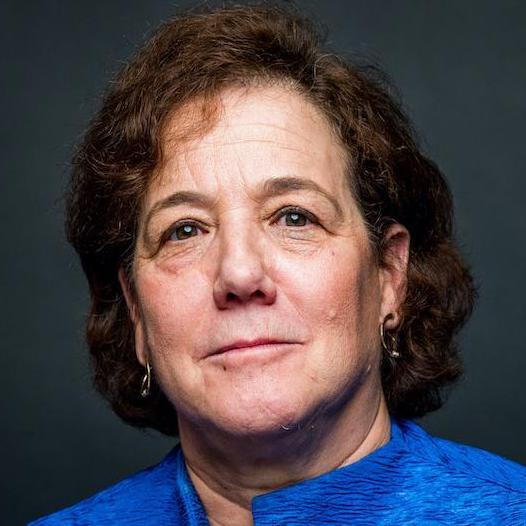
Photo of Mindy Lubber

Mindy Lubber

Ceres

CEO and President

Never miss an alert

Sign up for the latest news and updates from Ceres.