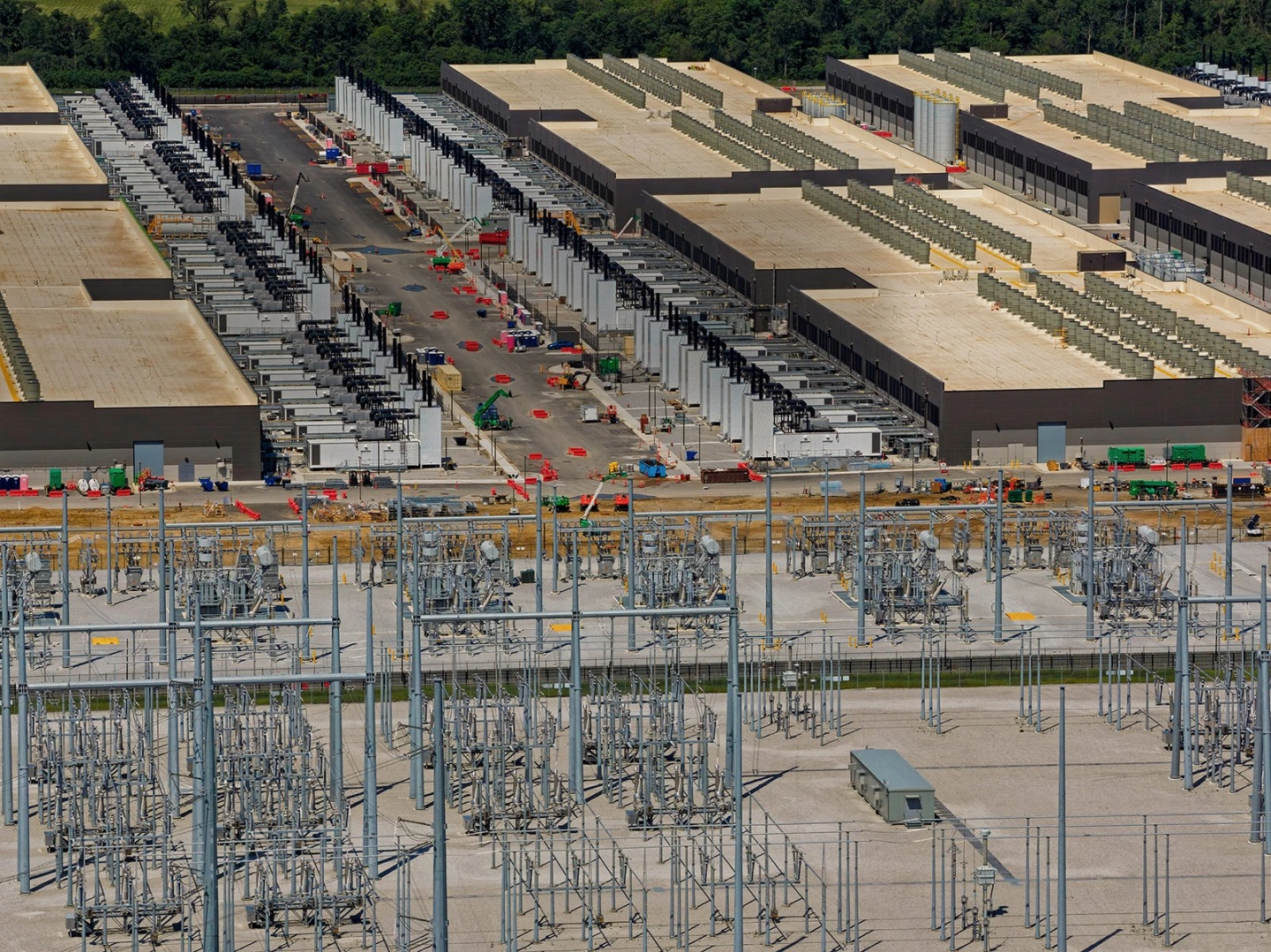
The rapid buildout of data centers across the U.S. is requiring vast amounts of new electricity to fuel the AI boom. Data centers currently use more than 4% to 5% of U.S. electricity, and that is only set to expand.
Along with real opportunities, the growing demand for electricity to power AI data centers creates considerable risks for electric power utilities.
To help investors navigate these risks with power companies in their portfolios, this guide outlines seven key areas of risk, as well as solutions that utilities can pursue to address them.
Among the risks:
Regulatory and reputational risk — stemming from community concerns over affordability and environmental impact
Missed value/stranded opportunity risk — delays in upgrading and expanding grid infrastructure could mean lost revenue or competitive disadvantage
Cost recovery risk — if grid infrastructure built to serve data centers ends up underutilized (for instance, if projected demand doesn't materialize)
Credit risk — exposure tied to counterparty creditworthiness or liability
Water-related operational, regulatory, and reputational risk — from relying on water-intensive generation/cooling in water-stressed regions, and from contributing to local water scarcity or pollution
Negative impact on corporate carbon reduction goals
Negative impact on grid reliability and resiliency
Among the solutions:
Clean energy deployment — generation resources that can come online faster than new fossil-fuel plants (such as solar, wind, battery storage)
Flexible interconnection and contract design — agreements that let data centers accept reduced power during grid emergencies, while shielding everyday customers from the financial risk of new infrastructure built to serve large loads
Demand-side management — distributed generation and demand response programs that help balance peak load and reduce strain on the grid
Grid-enhancing assets — energy storage, smart-grid technology, and virtual power plants that help meet and manage demand in real time
Proactive grid planning — forward-looking assessment of grid needs to ensure reliability and affordability as demand grows