Sustainability is the bottom line
Ceres is a nonprofit advocacy organization working to accelerate the transition to a cleaner, more just, and resilient world.

Issues we work on
For more than 35 years, Ceres has been at the forefront of building business leadership and supporting innovative market and policy solutions to address the world’s most pressing sustainability issues.
We work with investors, companies, and policymakers to advance actions that reduce emissions and build a cleaner, more resilient economy – all in a way that advances justice and equity.
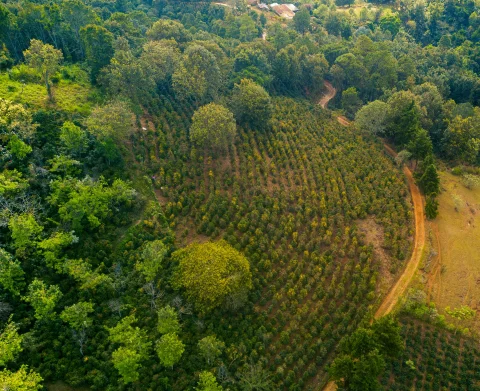
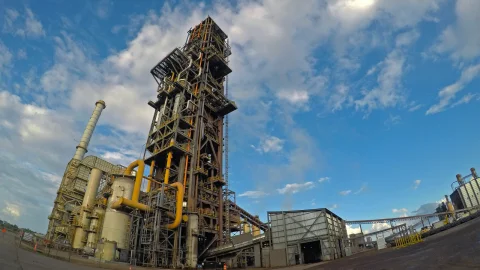
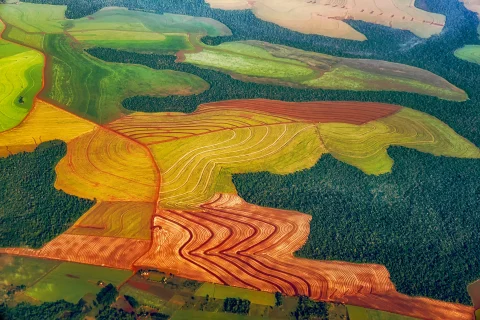
We work across industries to protect and restore natural ecosystems, improve the management of agricultural lands, and build more sustainable and resilient supply chains.
We support investors and companies in their efforts to turn responsible water management into a fundamental business practice, advancing stewardship to address growing demand, wasteful use, and pollution.


Issue experts
Our leading experts ground their work in research and science to make the business case for responsible action and drive meaningful change across the economy.

Rob Berridge
Senior Director, Investor Network, Investment Stewardship

Dazzle Bhujwala
Senior Director, Investor Network

Michael Boudett
General Counsel

Carolyn Ching
Director, Climate Research, Food and Forests

Steven Clarke
Program Director, Climate and Energy

Jim Coburn
Senior Manager, Ceres Accelerator, Disclosure and Regulation

Andrew Collier
Director, Freedom to Invest

Peter Ellsworth
Senior Director, Investor Network

Chris Fox
Senior Director, Investor Network

Zach Friedman
Senior Director, Federal Policy

Kirsten James
Senior Program Director, Water

Anne L. Kelly
Vice President, Government Relations

Neal Kemkar
Chief Network Officer

Colette Lamontagne
Senior Director, Electric Power

Andrew Logan
Senior Director, Climate and Energy, Oil and Gas

Mindy Lubber
CEO and President

Cynthia McHale
Vice President, Investor Network

Mary Ann Ormond
Senior Director, Company Network, Food and Beverage, Retail, Healthcare

Shama Perveen, Ph.D.
Director, Water, Research

Meryl Richards, Ph.D.
Program Director, Food and Forests
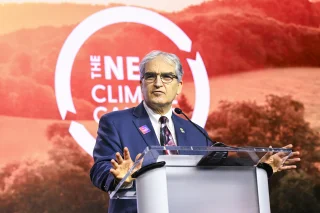
Steven Rothstein
Chief Program Officer

Dan Saccardi
Program Director, Company Network

Dan Seligman
Director, Climate and Energy, Steel

Kelly Trombley
Senior Director, State Policy

Jaclyn de Medicci Bruneau, Ph.D.
Director, Ceres Accelerator for Sustainable Capital Markets
Explore our reports
We equip investors and companies with data-driven and science-based research to help them thrive in the clean economy transition. Our reports champion best practices to mitigate financial sustainability risks and unlock new investment and business opportunities.




Our Work on Sustainable Data Centers
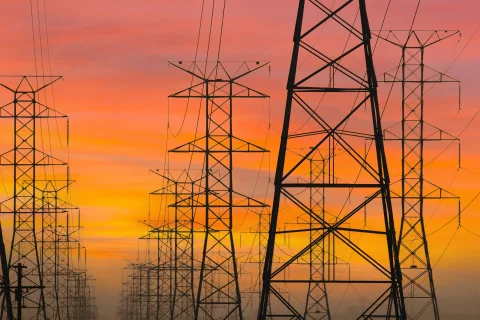
The rapid growth of artificial intelligence and cloud computing is accelerating the buildout of data centers. Working with investors, companies, and community organizations, Ceres has developed resources to help data center companies, utilities, investors, and policy makers ensure this growth is sustainable and widely beneficial.
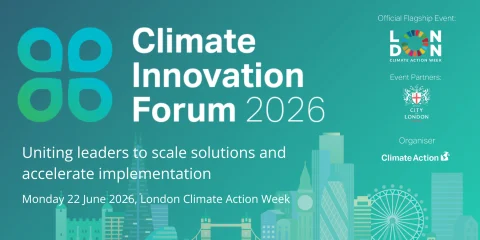
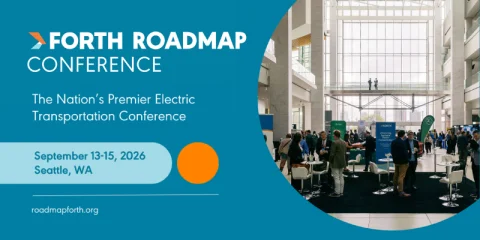
Discover upcoming events
Join us virtually or in-person to hear from leading business and sustainability experts. To learn about sponsoring one of our events contact us at [email protected].





Ceres Accelerator for Sustainable Capital Markets
Our center for excellence aims to improve the practices and policies that govern capital markets by engaging federal and state regulators, financial institutions, investors, and corporate boards to act on climate risk as a systemic financial risk.

"If the world’s investors, companies and governments act, we can stabilize the climate, protect water and natural resources, and build a stronger, more resilient economy for many generations."
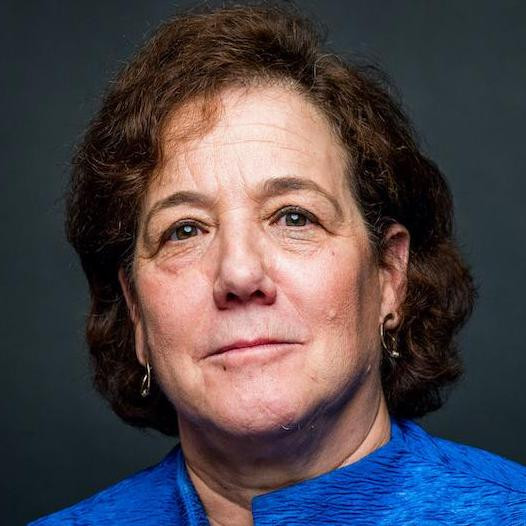
Mindy Lubber
CEO and President








Join a Network
Our networks of investors and companies drive change and advocate for innovative policies to build a stronger economy.
Thanks to our annual sponsors for their commitment to our work.


Never miss an alert
Sign up for the latest news and updates from Ceres.